
Historical setting: 602 C.E. A cottage in the Vosges
Greg and Gabe returned from Metz more excited than ever about the possibilities of taking their accomplishments and making themselves into some twist of aristocracy. They’ve decided riding horses is more to their liking than managing the farm mule, and a polished sword dangles from the waist with more prestige than a hunter’s bow over the shoulder.
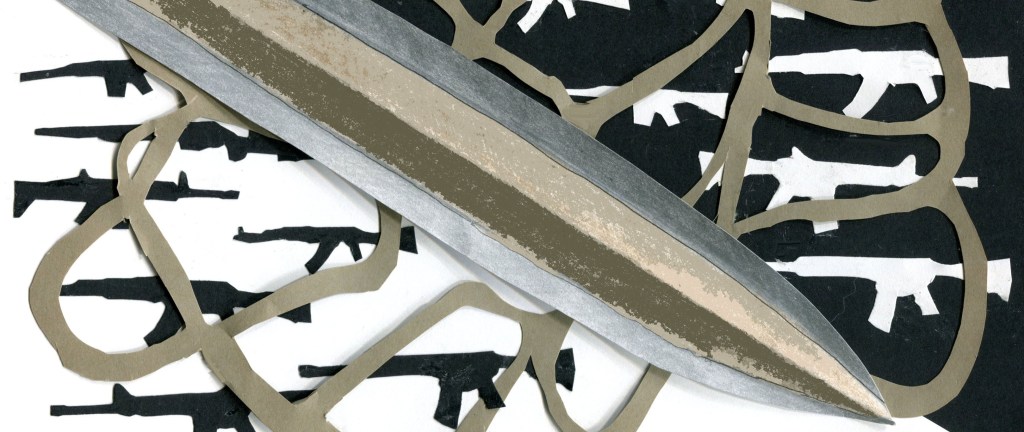
I know when boys are teens their heroic imaginings always seem pointed with sharp objects. They see problems solved with swords and poles not words and prayers. And that narrow imagination for future quests lands right in their lives at this most sensitive life-stage when irrational violence appears to be winning. They observed the bishops’ guards driving me through with a polearm simply to make a statement about the message sent by the abbot. Words would have sufficed. Wars are waged by crazy despots, then brutalized by the very young who are drafted to carry the weapons. The pacifism of Jesus is one place where I always stand firm.
When I was their age, my own best friend forever was the very pacifist who, while barely beyond his youth, died on the cross denying to his followers any plan for a sword of retaliation, then the very lyric of his dying was forgiveness. Who are we to say pacifism is impractical in this time when winning seems the ultimate goodness in everything? Pacifism has always been out-of-step with the times — in all times. It didn’t just become out of date just now in the 7th century.
I’m relentless. “Swords wound. Words and prayers heal.”
I hear no impulsive, “But Papa… ”
Instead, here is a thoughtful silence. I watch their faces as bright minds formulate response.
Then Greg answers, “There is nothing that can stop the sword of the evil bishops’ guards, but the swords of the guards of righteousness.”
“That would be a good answer, but flawed, in that evil and righteousness are inconsistent and not a universally shared measure,” I argue on, “So how do you, as a mere humans know the righteous from the evil?”
Greg answers, “Of course I know what is good and what is evil, and I will always take the righteous side. I know righteousness is always the side I’m on.”
I ask, “When it is a council of bishops? When it is holy men devoted to righteous teaching, are these the evil or the good?”
(Continues tomorrow)
 Lazarus Ink