
Historical setting: 602 C.E. A cottage in the Vosges
So here are Greg and his student, friend and lover, Gaillard, spinning wild imaginings into dreams of faraway lands. They imagine riding camels across a vast emptiness — empty, not because it is a desert, but because it is unknown to them. They ride on fantastical beasts into a tabula rasa. Isn’t that what we all do until the mystery is revealed to be, simply, other things of earth?
This morning they are preparing to ride back to Metz following the rivers north then west, rather than go back the way they came, passed Luxeuil, so there is no reason to send a message with them for Gabe. But Greg does take one of our birds in a traveling box. He says they have a dovecote at his home in Metz and it will be safe. So he can keep us informed if there is a need. And they also take Greg’s old wax board for lessons in letters.
“Shall I mark on it the Greek alphabet?” I offer.
“No, Papa, I think someone will have that for us when we need it.”
Ana touches my arm. I know she reminds me to let them go on their own way and so we do.
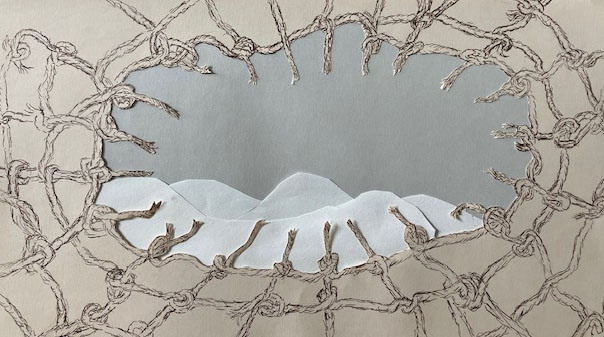
Now they are riding over the hills, on, to follow the farthest border of the lands that once had kings but now are ruled by the aristocracy with many names. New times start new chapters in our histories and we tend to think it is only our own times that know change as the weave of the old with the new. Yet we are always, never really in a place with a time of its own. We are forever in webs of change.
I’m pretty sure the Lords of Metz who are taking down the forests for castles and fields would like to put our farm under their liege. But we still owe the portion of our harvest to the monasteries of Father Columbanus. Our land is still part of the grant from the Burgundian king to the church. We’ve had a good harvest this year, so we – Ana and Hannah and I are packing the portions of the winter stocks to carry to the monks. To me, this seems a very good arrangement even though they already receive much more than a landowner’s share from the peasants. Others bring offerings. They use the abundance to feed the poor as well as supply their own needs.
(Continues tomorrow)
 Lazarus Ink