
Historical Setting: Jarrow, 794 C.E.
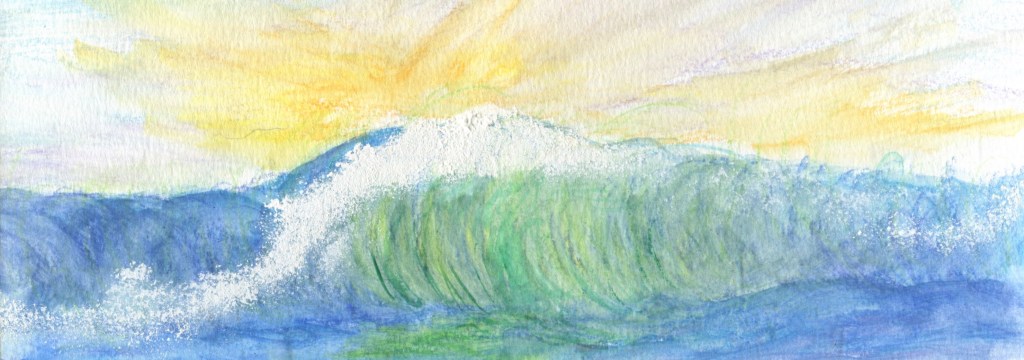
At matins I chanted with the monks. Now in the full light of dawn, I walk with the monk-clad guards from the river to their posts at the sea. The tide is high and the river into the sea is roiling and deep. The heap of rocks that become the footpath at low-tide are deep under the tidal waters that will soon surge against the river’s flow. On the sea, the swells from the depths heap into shore — waves, peaking, breaking, foaming then rising again, churning up from the depths to again break on the shore. At first, I think the dark lines on the sea are debris from a distant storm, then I realize what we are seeing.
The guards shed their monks’ robes and draw swords. I turn and run back to warn the people in the monastery and the woods and the villagers of Jarrow, but faster than I can run the longboats are slipping up the river past me.
I shout it at the monastery, and the monks are going into hiding, except one nimble young novice who joins me in alerting others in the countryside. Our warning was meant to give people a chance to hide, or run, but everyone along the way is drawing swords and taking up knives. When we hear the bell ringing from the tower alerting all of the danger, the warning is complete and we return to the monastery.
Some of the Viking ships are abandoned on the shore at the place where the Don runs into the Tyne. The tide is receding carrying ships sparse of men at the oars smashing them against the rocks laid across the river exposed in the ebbing of the tide. [Footnote] At the monastery, it was said thirty swords greeted the marauders and now many are dead.
The watchman posted at the sea this hour killed the Viking leader as the marauders came ashore, leaving the attackers driven by nothing more than personal greed. As one, who is a stubborn pacifist, I would think that lives on both sides could be spared with letting go of earthly treasures for the sake of saving lives. Maybe there is the necessity of taking prisoners and holding trials. But fear offered no place for conversation. Any kind of reconciliation did not happen, and now Jarrow celebrates keeping some of its treasure.
Prayers of thanksgiving rise over the bodies of dead Vikings. I have no understanding of warfare on either side.
[Footnote] https://www.heritagegateway.org.uk/Gateway/Results_Single.aspx?uid=1579441&resourceID=19191
(Retrieved 5-28-25)
Only one footnote is needed here, because the noted source analyses a variety of theories about this attack. This blogger, being a fiction writer, considered the discrepancies among the later written accounts, and the lack of archeological evidence of storm battered ship wrecks, based this telling of the story on the likely preparedness of Jarrow, after Lindisfarne, and the excellence of the ships and the seamanship of the Vikings, inventing the notion they were snagged on a low-tide rock wall used as a walkway to Monkwearmouth.
(Continues Tuesday April 28)

